How Many Nights It Takes to Actually Rest
November 11, 2026
Last updated: November 11, 2026
There is no single ideal vacation length, according to the researchers who study it. The evidence does show three things. Wellbeing rises quickly once a trip begins. The lift fades soon after returning home. And regular breaks sustain it better than one long trip a year. At Wilding, that points to stays long enough to settle, taken more often.
What the Research Shows
The most cited study on vacation length comes from Jessica de Bloom, Sabine Geurts, and Michiel Kompier, published in the Journal of Happiness Studies in 2012. They followed workers through long summer vacations, most around three weeks. Health and wellbeing rose quickly after the trip began and peaked around the eighth day.
That finding became a headline: the perfect vacation is eight days. De Bloom has pushed back on it. She has said the peak does not make eight days the optimal length. She has also said the ideal length is nearly impossible to study, since researchers cannot assign people to random trip lengths. Her study found that trip length itself was only weakly related to how much people benefited.
Why Frequency Matters
A second study, led by Jeroen Nawijn and published in Applied Research in Quality of Life in 2010, followed 1,530 Dutch adults through the year. People with a trip ahead of them were happier than people without one, likely from anticipation. After returning, most travelers were no happier than anyone else.
The exception was trips people described as very relaxed. Those travelers stayed happier for about two weeks after coming home.
| The benefit of time away is real. It also does not carry indefinitely. |
Both studies point the same way. Regular, restful breaks keep the benefit close. The anticipation of the next one is part of the value.
Why the First Night Is Mostly Arriving
In our experience hosting guests, the first evening of almost any stay is spent arriving. Unpacking. Finding the light switches. Still carrying the week. The real quiet tends to settle in by the next morning, once the body stops expecting to be somewhere else.
That is why one night rarely feels like enough. It is mostly arrival and departure, with very little in between. This is our observation rather than a research finding. It fits what the studies show about how quickly wellbeing builds once a break begins.
How Many Nights at Each Wilding
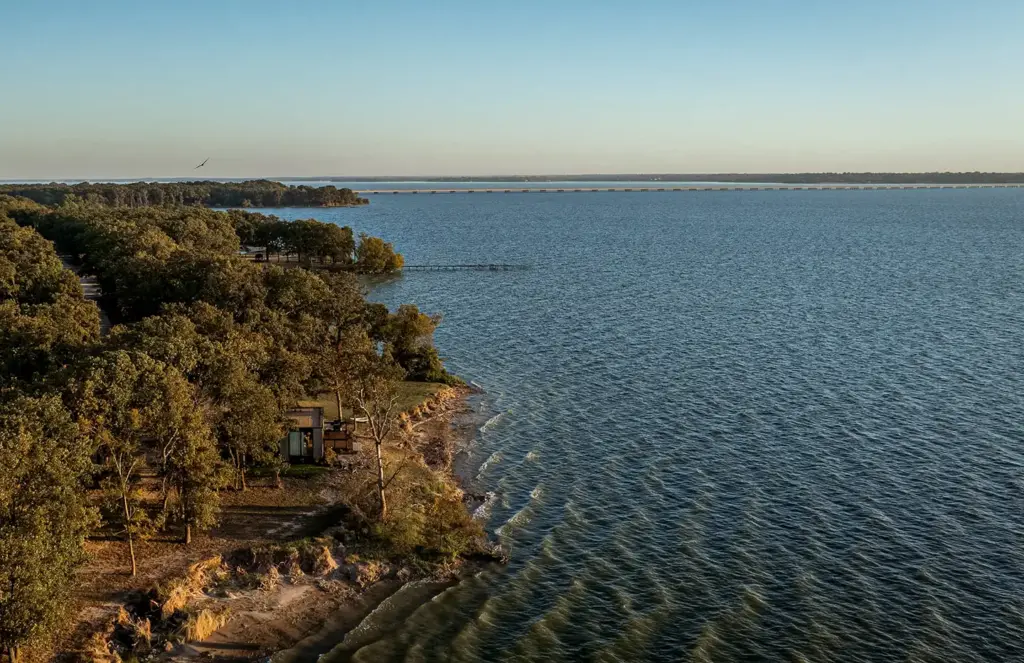
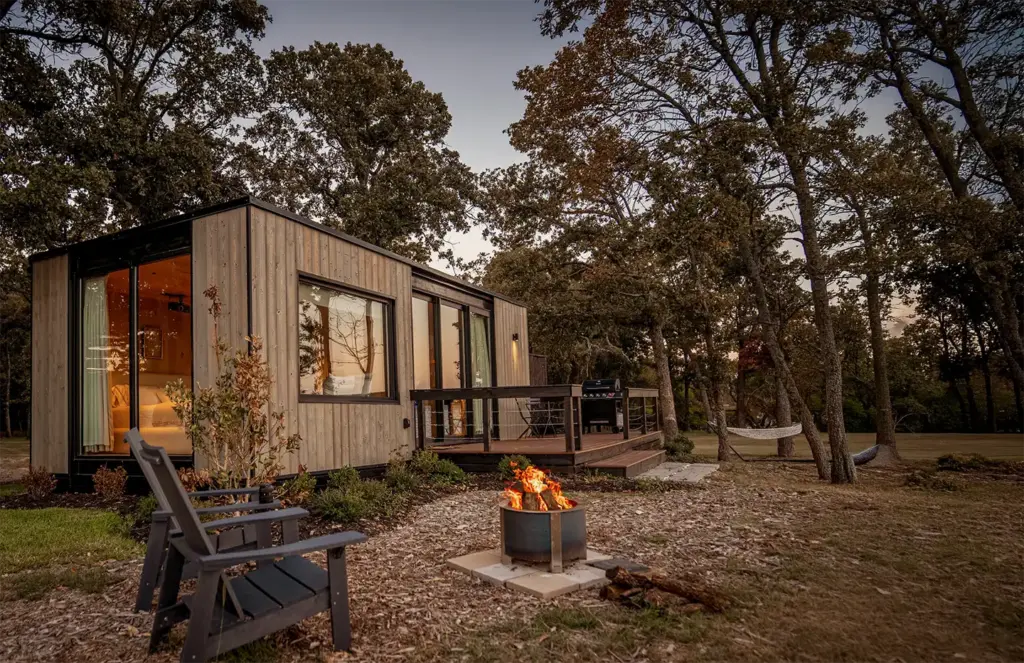
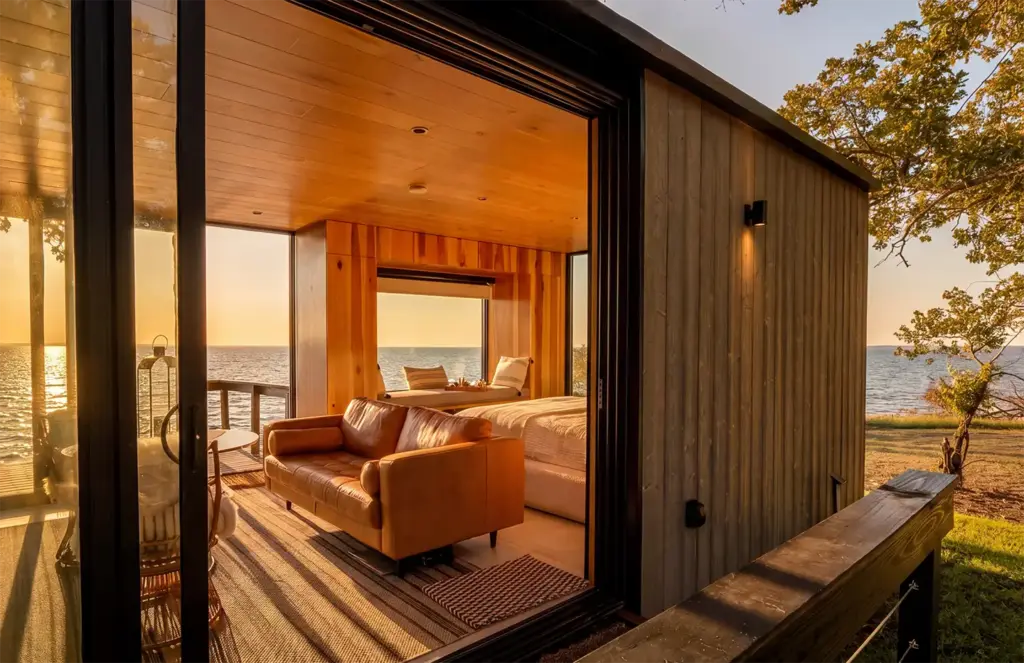
At Wilding at Tawakoni, about an hour east of Dallas, the minimum stay is two nights. That gives one full day with no arriving and no leaving. Three nights is where we see a stay start to work: a full day that is not shadowed by checkout. Because there is no flight, a three-night stay costs three days, not five. That makes it easy to return two or three times a year.
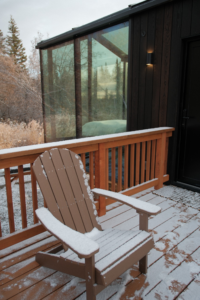
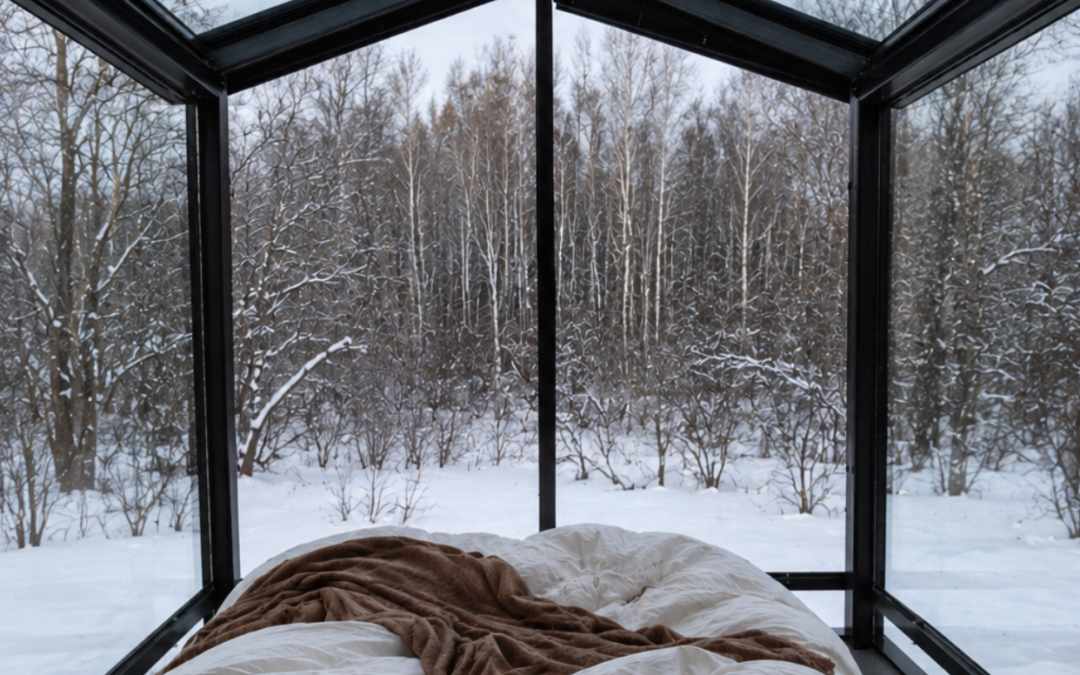
At Wilding Fairbanks in Alaska, the minimum stay is three nights. The trip there is longer, and the northern lights reward patience. More clear nights mean more chances to watch the sky from under the glass ceiling. Our aurora season guide covers how to plan around them.
Making It Last
A few things help the effect hold. Protect the first day back from a full calendar. Keep one habit from the stay, such as a morning walk or an evening without screens. And book the next break before this one fades, since looking forward to it is part of what it gives you.
|
Stay long enough to arrive. Come back often. |
Frequently Asked Questions
What is the ideal vacation length?
Research does not support one ideal length. A 2012 study in the Journal of Happiness Studies found wellbeing peaked around the eighth day of long vacations, but the lead researcher has cautioned that this is not an optimal length. Evidence favors regular, restful breaks over one long annual trip.
Are short trips as good as long vacations?
Often, yes. A 2010 study in Applied Research in Quality of Life found most travelers were no happier after a trip than non-travelers, while very relaxed trips lifted happiness for about two weeks. Frequent, restful short trips can keep that benefit closer than one long vacation a year.
What is the minimum stay at Wilding Hotels?
Wilding at Tawakoni, near Dallas, has a two-night minimum. Wilding Fairbanks in Alaska has a three-night minimum. At Tawakoni, three nights gives a full day free of arrival and checkout. At Fairbanks, longer stays give more chances to see the northern lights.
KEEP READING