What Is Restorative Travel?
October 9, 2026
Last updated: October 9, 2026
Restorative travel is a trip designed to return you to a state you recognize as your own: calm, clear, rested, awake. It is measured by how you feel on the drive home, not by what you saw. At Wilding Hotels, it is the reason each property exists.
A Working Definition
Most travel is measured in output. Sights seen. Reservations kept. Miles covered. A restorative trip is measured in state. The question is not what you did. The question is who you are when you leave.
Restorative travel is not a wellness program. It does not need a schedule, a coach, or a device on your wrist. It needs three conditions: a place that holds your attention gently, enough quiet to hear yourself think, and enough time to settle into both.
Why More Travelers Are Planning for It
Rest has become the leading reason people travel. Hilton’s 2026 Trends Report, based on a survey of more than 14,000 travelers in 14 countries, found that 56 percent named rest as their top motivation for leisure travel. In a separate survey of U.S. travelers for Hilton, 57 percent said they would be interested in a quiet or silent retreat.
Much of the industry has answered with more. More technology. More programming. Wilding takes the other route. We remove things. Fewer screens. No itinerary unless you want one. More sky.
How It Differs From a Vacation
A vacation is often a departure. You leave your life for a few days and step back into it unchanged. Restorative travel is closer to an arrival. You come back to a pace you had forgotten you loved, and to a part of yourself you set aside.
Restoration also looks different for each person. Some people need stillness: the hammock, the fire, a book finished in one sitting. Others need to move: a paddle at sunrise, a cold walk under a dark sky. Both are restorative. Both are the right answer.
The Conditions That Make It Work
Nature is the first condition. Research links time outdoors with lower stress hormones and restored attention. Time is the second. In our experience hosting guests, the first evening of a stay is mostly arriving, and the real quiet tends to settle in by the next morning.
Privacy is the third. It is hard to settle while being watched or managed. Permission is the last. A restorative stay works best when nothing is expected of you.
What Restorative Travel Looks Like at Wilding
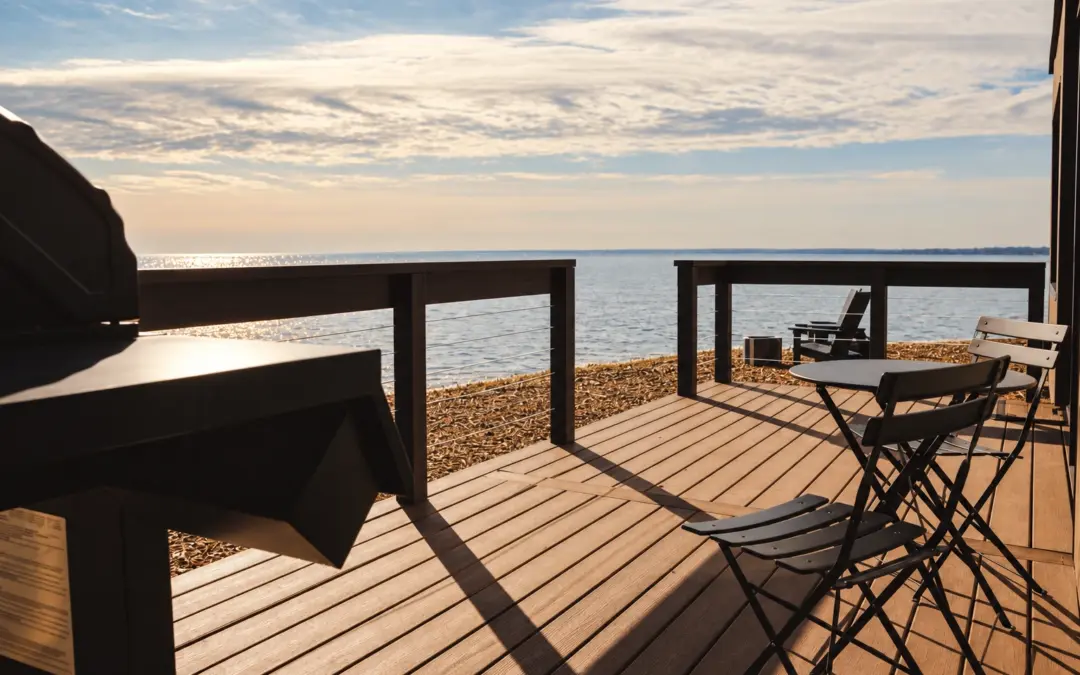
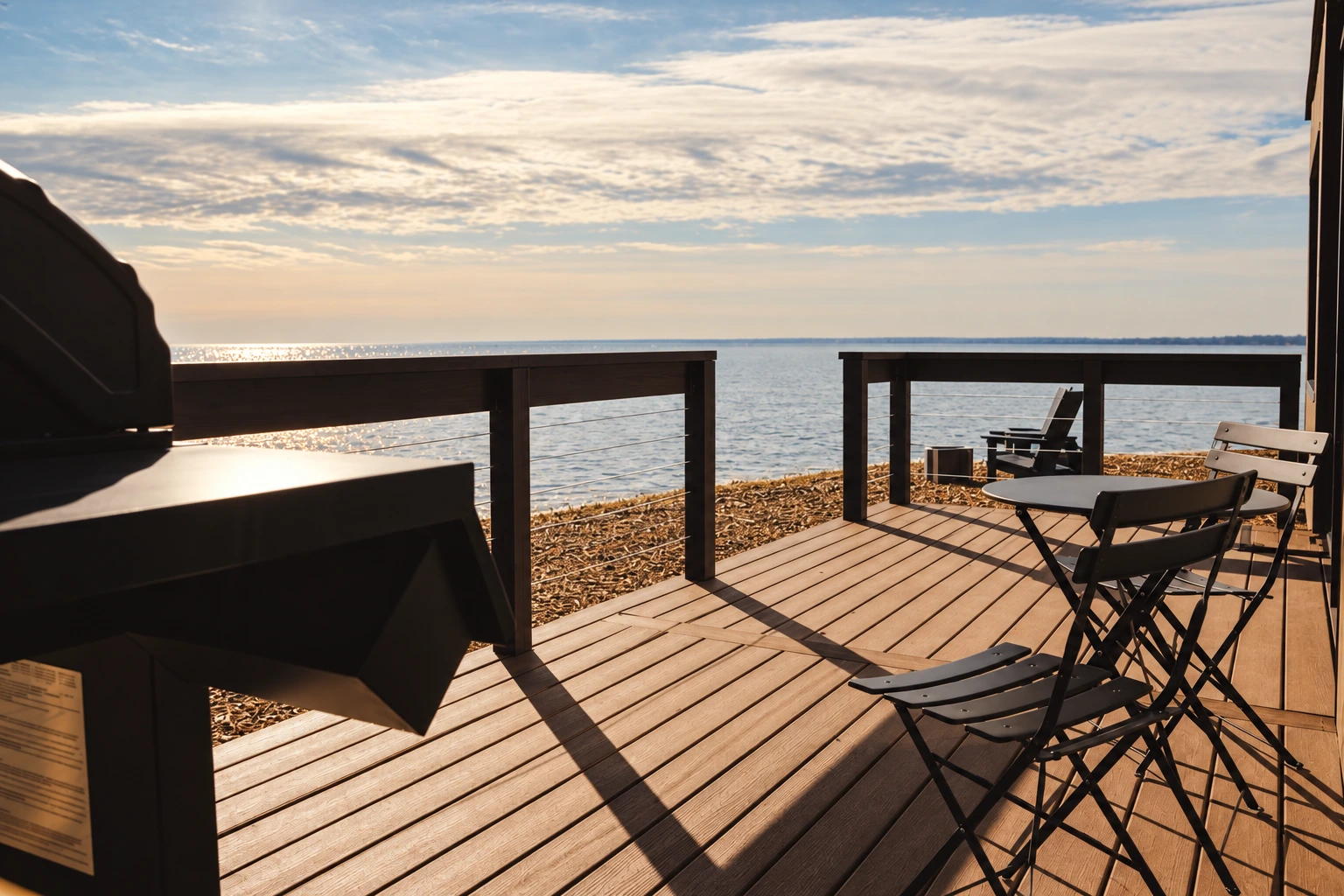
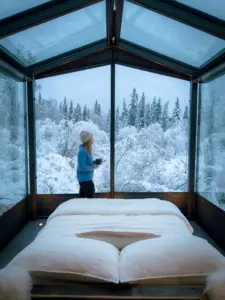
At Wilding at Tawakoni, about an hour east of Dallas, it looks like a lake at first light and an afternoon with no plan in it. At Wilding Fairbanks in Alaska, it looks like a private glass lodge in the long winter dark, with the sky as the ceiling.
The places are different. The question is the same: What are you here to restore? Calm. Clarity. Connection. Wonder. Your answer shapes the stay.
Whatever you are here to restore, the conditions are ready. See what is available.
Frequently Asked Questions
What is restorative travel?
Restorative travel is travel designed to return a person to a rested, clear, and calm state, measured by how they feel afterward rather than by what they saw. It favors nature, quiet, privacy, and unscheduled time over packed itineraries. Wilding Hotels builds its properties in Texas and Alaska around this approach.
Is restorative travel the same as wellness travel?
Not exactly. Wellness travel often centers on programs such as spa treatments, fitness classes, or sleep coaching. Restorative travel centers on conditions instead: a natural setting, privacy, and enough time to settle. It can include activity, but nothing is prescribed. The guest decides what restores them.
Why is restorative travel growing?
Rest has become the top reason people travel. Hilton’s 2026 Trends Report found that 56 percent of travelers surveyed named rest as their leading motivation for leisure travel. Many are choosing quieter destinations, solo time, and fewer scheduled activities over crowded itineraries.